Designer Metal Wooden Dining Table Built Around Proportion
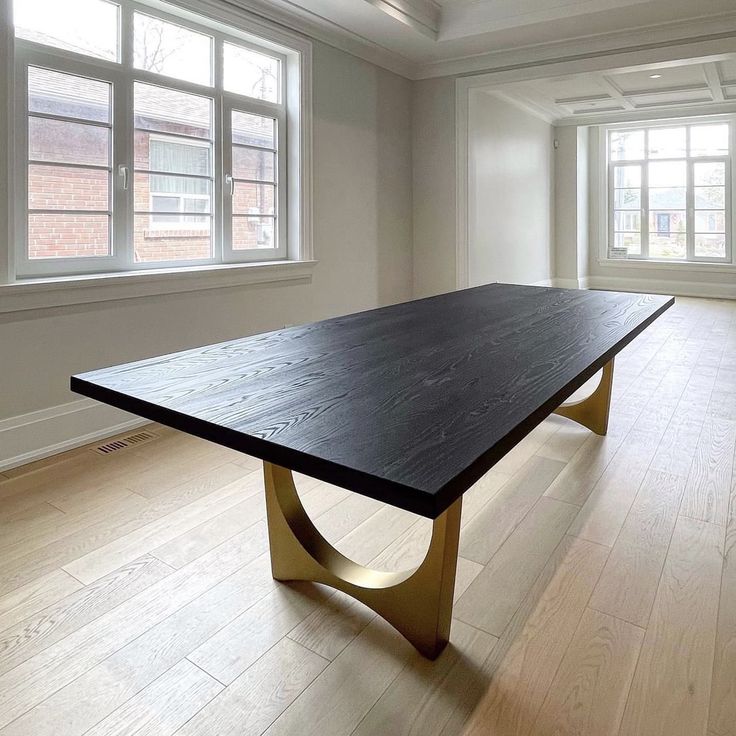
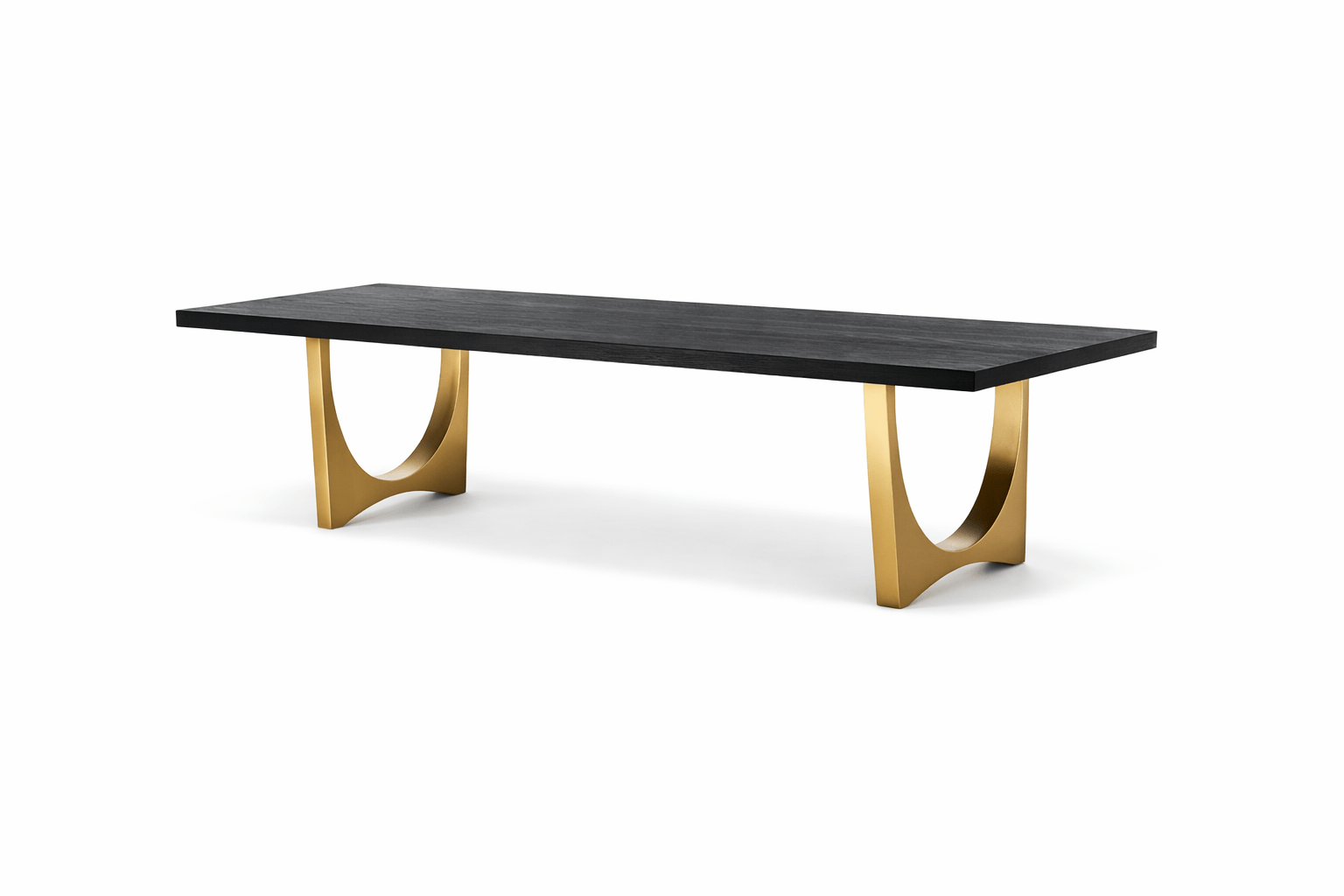
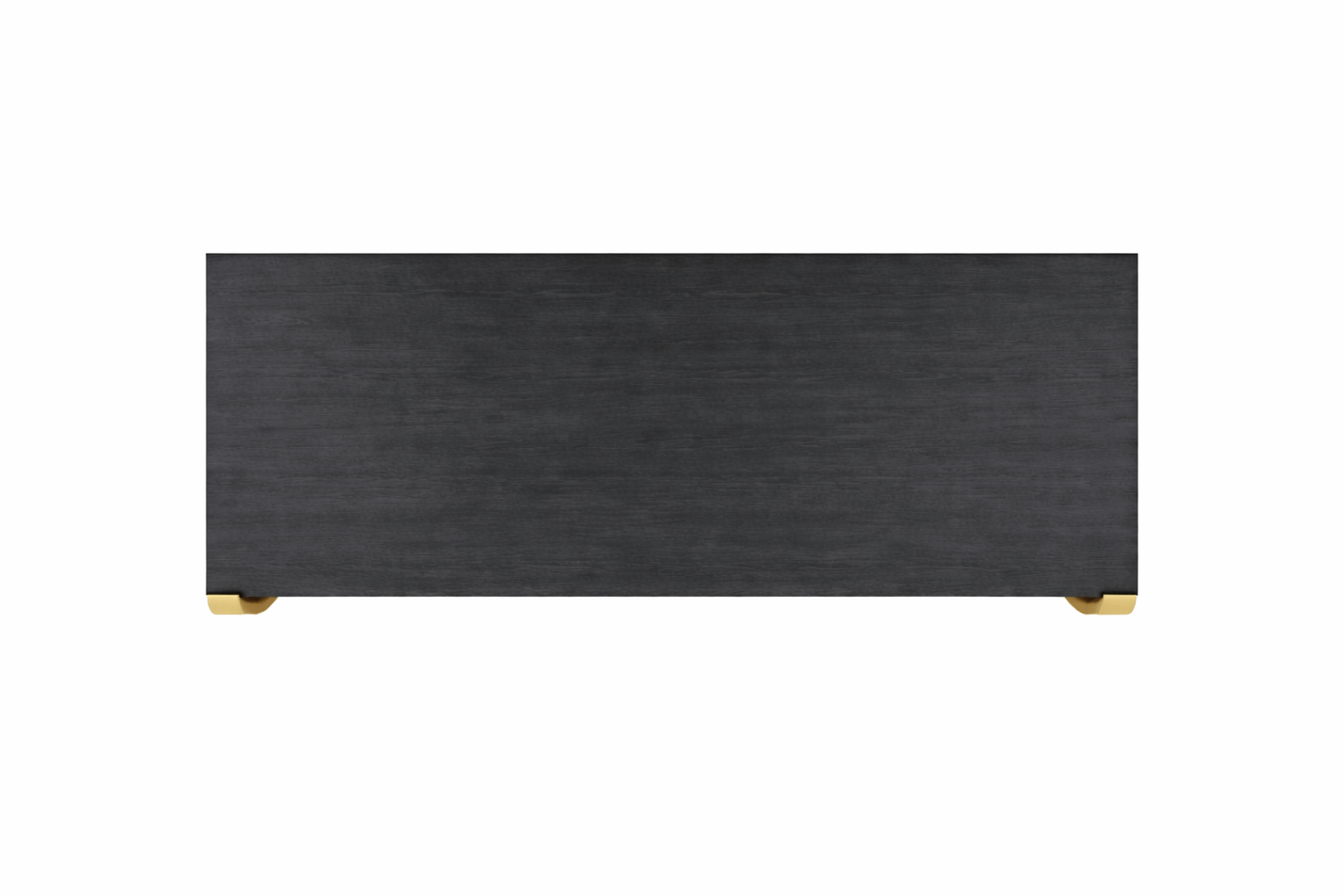
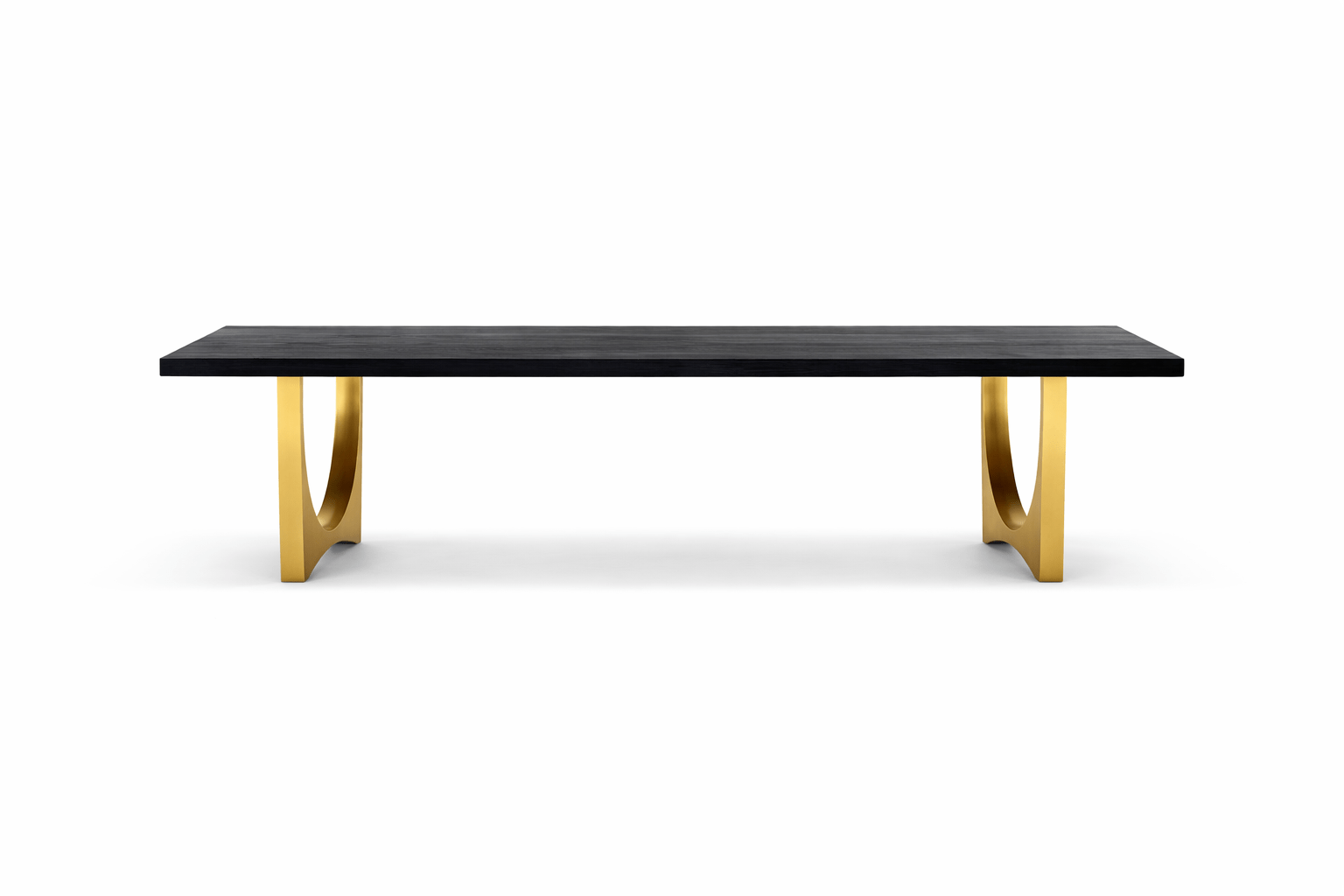
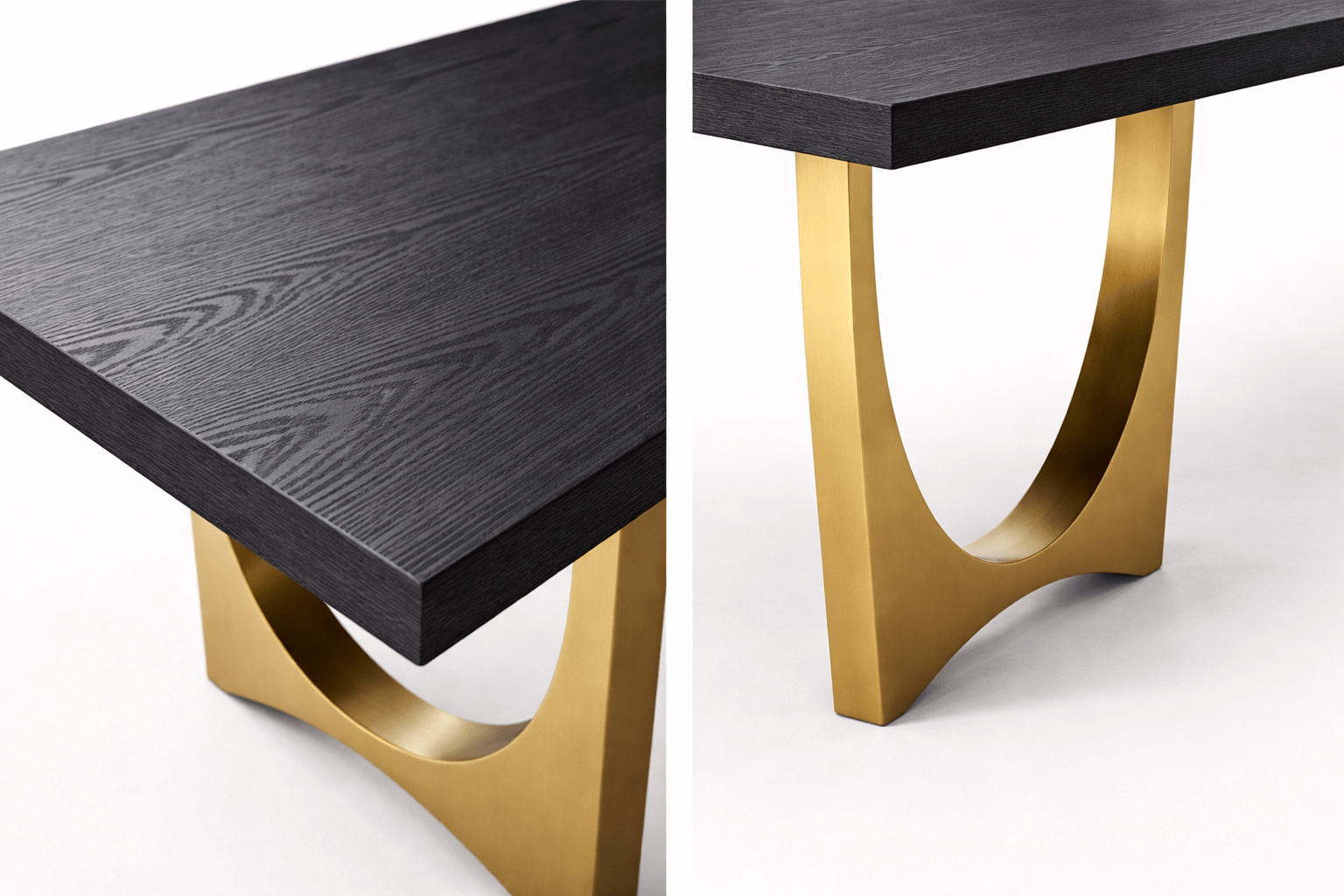
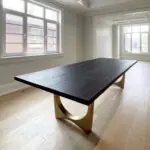
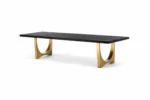
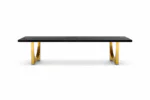
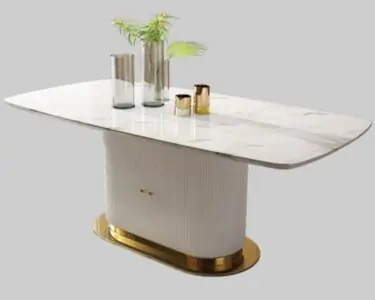
The Horizontal Eight Designer Metal Wooden Dining Table is available in two confirmed sizes: 48″ L × 36″ W × 30″ H and 72″ L × 36″ W × 30″ H. Its metal-and-wood material naming gives the table a clear mixed-material direction, but the more useful way to understand this model is through proportion.
A dining table rarely exists on its own.
It sits beneath lighting, between chairs, near walls, beside storage furniture, and within the larger architecture of the room. When those relationships are proportioned well, the complete setting feels coherent. When they are not, even individually attractive pieces can feel disconnected.
The Designer Metal Wooden Dining Table gives you two lengths to work with while keeping the same 36-inch width and 30-inch height, allowing the dining composition to change without altering its basic cross-section.
The Table Should Set the Scale for the Chairs
Dining chairs can dramatically change how a table is perceived.
Broader chairs make the tabletop appear shorter.
Narrower chairs reveal more of the table edge.
Taller backs create a stronger visual perimeter.
Lower backs allow the table to remain more exposed from across the room.
This is why the Designer Metal Wooden Dining Table should be selected together with the intended chair dimensions rather than treated as a separate decision.
The product data does not specify an intended seating capacity, so the final chair count should be based on the actual chair model and table-base configuration.
The goal is not to fit the maximum possible number of seats.
It is to create a proportion where the table and chairs still read clearly as individual elements within one dining set.
48-Inch Format for a Tighter Furniture Relationship
The smaller version measures 48″ L × 36″ W × 30″ H.
Its shorter length creates a more concentrated relationship between the table and surrounding chairs.
Every chair occupies a larger proportion of the visible table length, so chair scale becomes especially important.
A very broad chair can visually compress the tabletop.
A more contained chair can leave clearer intervals between seating positions.
This version therefore benefits from careful coordination rather than simply selecting furniture that fits numerically.
In a smaller dining composition, proportion becomes more noticeable because there is less space for individual pieces to visually separate from one another.
72-Inch Format Creates More Room for Rhythm
The larger table measures 72″ L × 36″ W × 30″ H.
Its six-foot length gives the dining setting more room to develop a repeated rhythm.
Chairs can sit along the table with clearer intervals.
Lighting can respond to a longer horizontal surface.
Wall art, a sideboard, or another architectural element can relate to the same extended direction.
The larger version therefore offers more opportunity to build a dining composition around repetition.
That does not mean the 72-inch format needs more decorative detail.
Often the opposite is true.
A longer table can feel more resolved when the repeated chairs and clean table line are allowed to carry the visual structure.
The 36-inch width acts as a constant
Both versions remain 36 inches wide.
This gives the table a consistent front-to-back proportion regardless of the selected length.
That fixed width is useful when comparing how the table will sit in the room.
Moving from 48 to 72 inches changes the horizontal reach of the dining setting, but it does not make the table project farther into the room from side to side.
This allows the customer to focus on one primary sizing question:
How much length should the dining table occupy within the room?
The answer depends on more than floor area.
It also depends on the width of nearby walls, the scale of lighting above, the amount of furniture surrounding the table, and how the dining zone is viewed from adjoining spaces.
30-Inch Height Keeps the Vertical Relationship Stable
Both sizes are 30 inches high.
That keeps the table’s vertical scale consistent and allows the larger version to gain presence through length rather than additional height.
Chair seat height should still be checked independently before finalising the set.
Overall chair-back height matters too.
A high-backed chair can make the dining composition feel more enclosed, while a lower profile can make the table appear visually broader.
This relationship is especially important when the dining table sits in front of windows, wall detailing, or artwork that should remain visible.
Metal and Wood Do Not Need Equal Attention
The product name confirms both metal and wood, but a successful mixed-material table does not require both materials to dominate equally.
One can lead visually while the other supports the composition.
The final effect depends on the actual product specification, which is not detailed in the available source data.
The exact wood species is not listed.
The metal type is not listed.
The finishes are not listed.
The base geometry is not listed.
Those details should therefore be confirmed separately.
What is useful at this stage is to treat the table as one mixed-material object rather than trying to build the entire room around repeated metal-and-wood combinations.
Use the Table as a Proportion Reference
One practical way to build the dining area is to use the table as the main reference measurement.
For the 48-inch version, compare nearby furniture to the shorter tabletop length.
For the 72-inch version, look at whether surrounding elements have enough visual scale to relate to six feet of table.
A very small pendant over a long table may feel disconnected.
An oversized wall composition behind a shorter table may visually overwhelm it.
A sideboard that closely matches the table length can create one effect, while a deliberately shorter piece creates another.
These decisions are not product specifications, but they are part of how the furniture will actually exist within the room.
Designer Does Not Mean More Decoration
“Designer” is part of the official product name.
It does not require exaggerated claims or excessive visual styling.
A dining setting can feel designed because the proportions make sense.
The table aligns with the room.
The chairs relate to the table.
The lighting relates to both.
The materials do not compete unnecessarily.
This is a more useful expression of design than adding decorative language unsupported by the product data.
The Horizontal Eight Designer Metal Wooden Dining Table works best when it becomes the dimensional starting point for those relationships.
Product Details
Product: Horizontal Eight Designer Metal Wooden Dining Table
SKU: HE004DT_MW
Size 1: 48″ L × 36″ W × 30″ H
Size 2: 72″ L × 36″ W × 30″ H
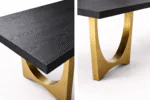
The available product information does not confirm the exact wood species, metal type, tabletop thickness, edge profile, wood finish, metal finish, base design, intended seating capacity, assembly requirements, or joinery. These details should be confirmed separately.
The Horizontal Eight Designer Metal Wooden Dining Table offers two lengths built around the same width and height, allowing the dining room to be composed around either a tighter furniture relationship or a longer repeated seating rhythm. Its strongest role is as a proportion reference for the chairs, lighting, and surrounding interior.
Please note: Natural wood may show variations in grain, tone, texture, knots, and finish. Metal finish and overall colour may also appear slightly different from the images due to lighting conditions, photography, screen settings, material characteristics, and the made-to-order production process. These variations are normal characteristics of made-to-order furniture.


 Accent Chairs
 Coffee Tables
 Sofas
Sofas Sectional Sofas
 Daybed
 Beds
Beds Nightstand
 Dining Tables
 Dining Chairs
 Bar Stools
 Console Tables
 Ottomans
Reviews
Clear filtersThere are no reviews yet.